
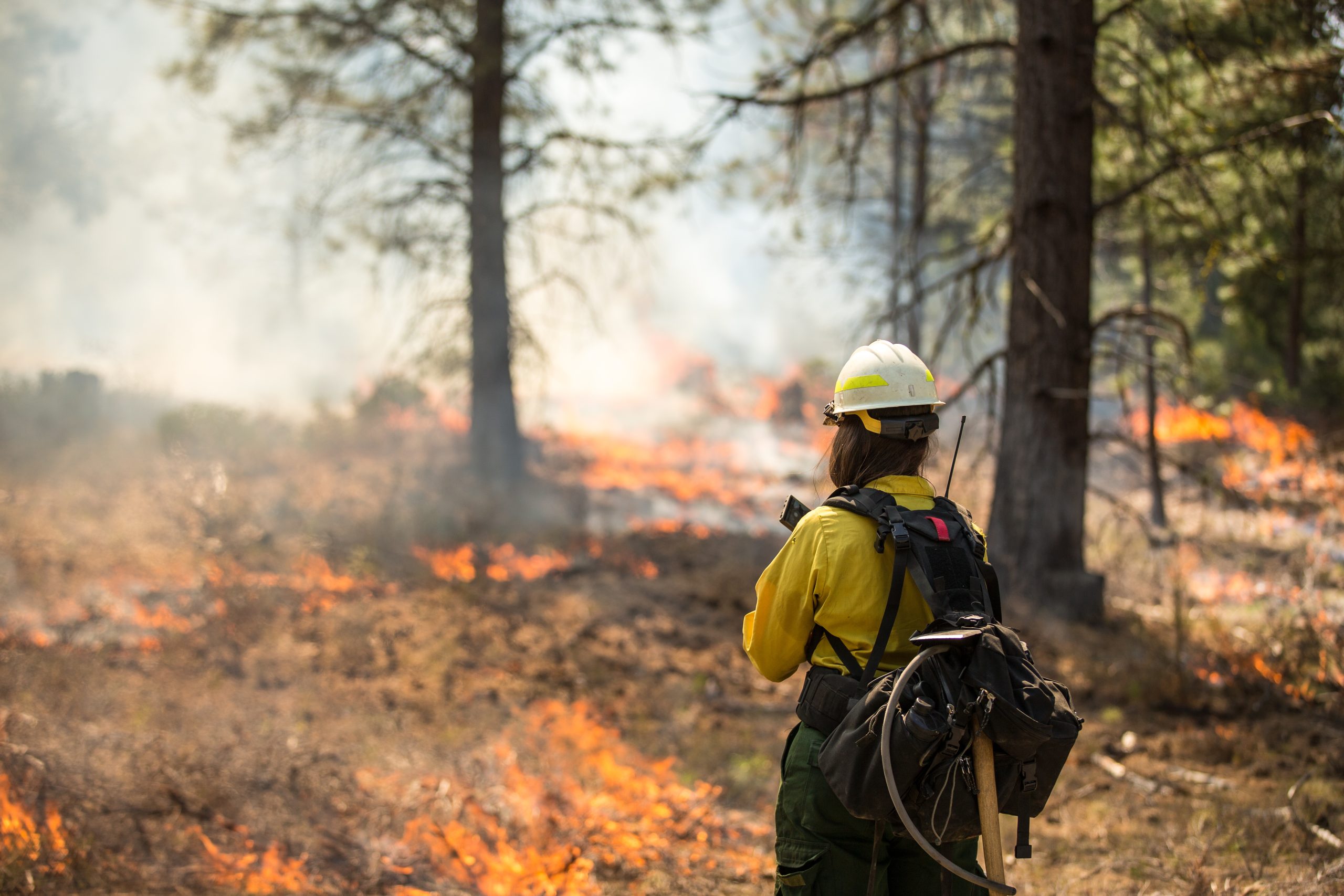
A tremor in the middle of the workday. A column of smoke rising beyond the hills. For Bay Area firms, natural disasters don’t wait for business hours, and neither should their IT preparedness.
Earthquakes and wildfires create a one-two punch most regions never have to plan for, and yet the health of local businesses depends on getting this right. When the ground shakes or evacuations are ordered, the actual test of Bay Area IT resilience is whether operations continue to run smoothly or come to a sudden, expensive halt.
The Bay Area’s Dual Threat: Quakes Below, Wildfires Above
California has always carried a certain dramatic flair, but the blend of seismic and seasonal wildfire risk makes the region uniquely challenging for SMB IT continuity. Earthquakes strike without warning, disrupting connectivity, damaging on-prem servers, and knocking out power across multiple counties.
Wildfires operate differently. They’re slower to build, sometimes taking days to complete, but their impacts linger longer through smoke damage, infrastructure loss, and rolling power outages.
Both hazards share one trait: they expose gaps in unprepared IT ecosystems. Without a strong earthquake IT plan or wildfire IT recovery strategy, even well-run businesses risk prolonged IT downtime that ripples through operations, revenue, and customer trust.
The uncomfortable truth is that only 54% of organizations have documented disaster recovery plans, despite every expert acknowledging their importance. That leaves nearly half of U.S. businesses hoping for luck, not planning, to keep their systems online.
Hope isn’t a DR plan, especially not in the Bay Area.
Why Earthquakes Hit IT Systems So Hard
Most natural disasters give some kind of warning. Not earthquakes. When they strike, there’s no countdown clock, just an immediate scramble to protect data, maintain communication, and keep teams functioning.
Bay Area firms that rely heavily on on-premises hardware face the most significant risk. Server racks can physically shift or topple. Unanchored networking gear can snap cables. Even a “minor” quake can corrupt data mid-write, resulting in hours or days of remediation.
A strong earthquake IT plan focuses on reducing single points of failure through off-site replication, cloud-first backup strategies, and high-availability systems that can fail over automatically when local infrastructure takes a hit. It’s the type of regional disaster prep that allows businesses to keep operating even while workers assess the situation at home.
Wildfires: Long-Tail Disasters With IT Consequences
Wildfires don’t always burn your building to the ground. More often, they shut down access, reduce air quality, disrupt local utilities, or fry critical telecom lines. The 2018 Camp Fire made this painfully clear. The disaster highlighted the deep connection between IT recovery and social vulnerability during infrastructure rebuilding. Roads were closed. Power grids were unstable. Communications infrastructure took months to restore in some communities.
For Bay Area SMBs, wildfire IT recovery planning involves more than restoring files from the cloud. It requires redundant networks, distributed systems, and proactive continuity workflows. Employees may be displaced or evacuated. Vendors may not be reachable. Even the best cloud environment means little if authentication, connectivity, or end-user devices are unavailable.
This is why MSP local IT partners encourage layered resilience: multi-region backups, alternative access methods, and flexible remote-work configurations that let teams stay productive even when smoke fills the skyline.
Why Bay Area Firms Must Approach Disaster Recovery Differently
Most U.S. companies design DR plans around one primary threat type. There are hurricanes in the Southeast, blizzards in the Midwest, and tornadoes in parts of the Great Plains. Bay Area organizations face two high-impact threats that behave differently and often unpredictably.
This puts more pressure on your DR plan’s regional strategy. If it only accounts for one scenario, you’re already behind.
And yet, despite these risks, a surprising number of companies still skip critical preparation steps. Only 7% of organizations can recover from ransomware within 24 hours, although cyber threats and natural disasters often overlap. Power outages, emergency relocations, and chaotic conditions create perfect opportunities for threat actors targeting unprotected systems.
A modern disaster recovery strategy for the Bay Area must account for both physical disruptions and cyber vulnerabilities, because a quake or wildfire doesn’t pause digital threats. If anything, it amplifies them.
What IT Downtime Really Costs During a Regional Disaster
It’s easy to think of downtime as an inconvenience, but for Bay Area firms, the costs escalate quickly. Lost revenue. Disrupted client services. Missed contractual obligations. Productivity stalls. Not to mention the reputational hit if customers can’t reach you during a crisis.
Natural disasters and IT disruptions can also trigger compliance gaps for industries such as finance, healthcare, and legal services. If essential data becomes inaccessible or corrupted, the aftermath can be painful and costly.
Building Bay Area IT resilience means designing systems that anticipate and prepare for failure. Systems that assume the power may fail in Oakland while staff in Walnut Creek evacuate due to smoke. Systems that don’t crumble when a fiber line is down in San Jose or a data center loses cooling capacity during a red-flag warning.
The Long-Term Benefits of Investing in Preparedness
When organizations strengthen their earthquake and wildfire IT plans and recovery measures, the payoff extends far beyond disaster scenarios. Even routine maintenance, hardware failures, or surprise network issues become easier to manage because continuity is built into the foundation.
Effective planning also reduces your reliance on last-minute heroics from internal staff. Instead, you gain predictable workflows, defined responsibilities, and systems that behave exactly as you expect them to during emergencies.
This is where strong MSP partnerships become invaluable. Providers offering disaster recovery services and managed IT services can architect, monitor, and maintain resilience strategies that grow with your business. Local expertise matters, especially in a region where hazard patterns, infrastructure limitations, and regulatory requirements change block by block.
Preparing Your Bay Area Business for the Next Shake or Spark
No one can predict the exact moment the next wildfire season peaks or when the Hayward Fault decides to move again. But you can predict how well your systems will respond. You can control your readiness.
Start by evaluating your current DR plan’s regional strategy. Identify what’s on-premises and what should be moved to the cloud. Clarify how quickly you need to recover critical systems. Review your communication workflows, backup cadence, and ability to operate remotely for extended periods if infrastructure becomes unstable.
And for Bay Area firms balancing continuous innovation with real geological and seasonal risks, it’s also a competitive advantage.
Strengthen Your Continuity Before the Next Crisis
Bay Area businesses don’t need another reminder of the disruptive impact of natural disasters. What they need is a plan. A partner. And the confidence that their IT can withstand whatever the region throws at them.
Discover how Renascence IT Consulting helps Bay Area businesses enhance continuity and confidence in preparation for the next crisis. Contact Renascence IT today to prepare your systems, teams, and data for whatever comes next.